












































































 Home
Home

Horus Visual & Laser
GNSS Receiver
GNSS Receiver
learn more








 2026-01-12
 Gus
Gus


In our previous blog, Tech Chat | Which is better among Static Survey, RTK or PPK?, we compared static survey, RTK, and PPK from a general perspective, focusing on their basic principles and typical application scenarios. That article helped clarify which positioning method is suitable for different types of projects.
Building on that foundation, this blog takes a closer look specifically at RTK and PPK, explaining how they differ in terms of data processing, accuracy, and workflow, and why these differences matter in real-world engineering and surveying applications.
Both Real-Time Kinematic (RTK) and Post-Processed Kinematic (PPK) positioning are based on carrier-phase double-difference observations and are widely used to achieve centimeter-level accuracy.
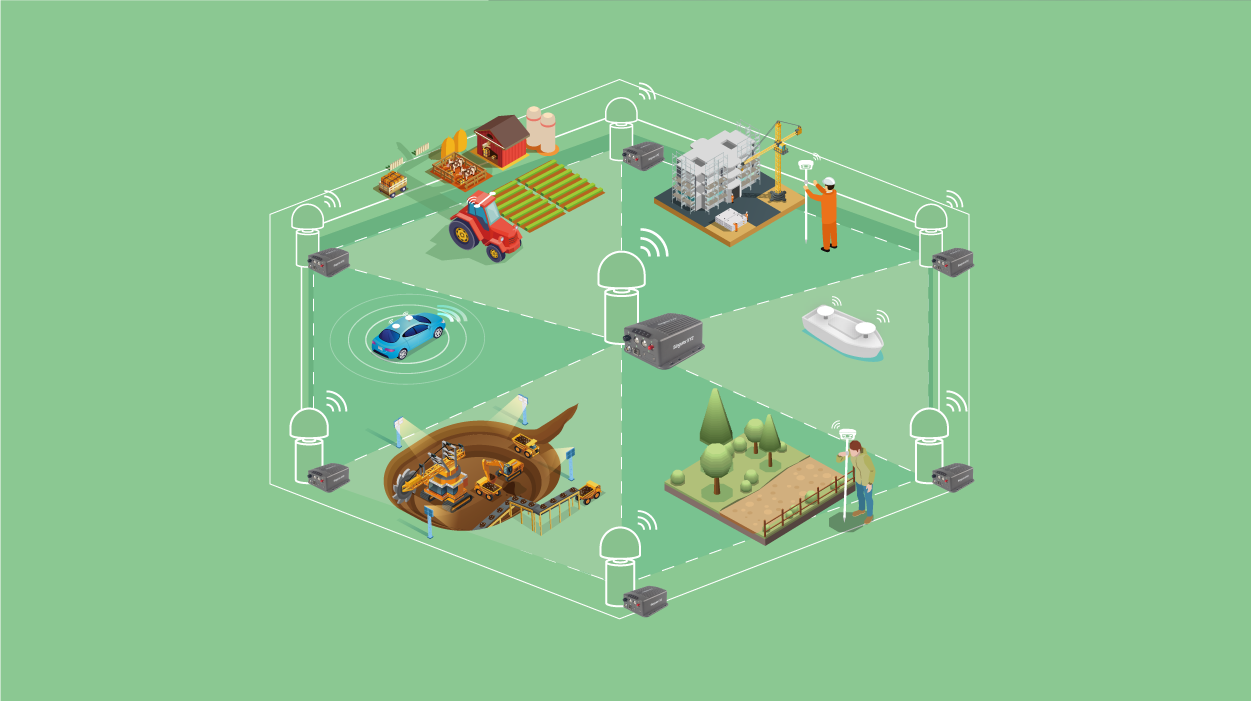
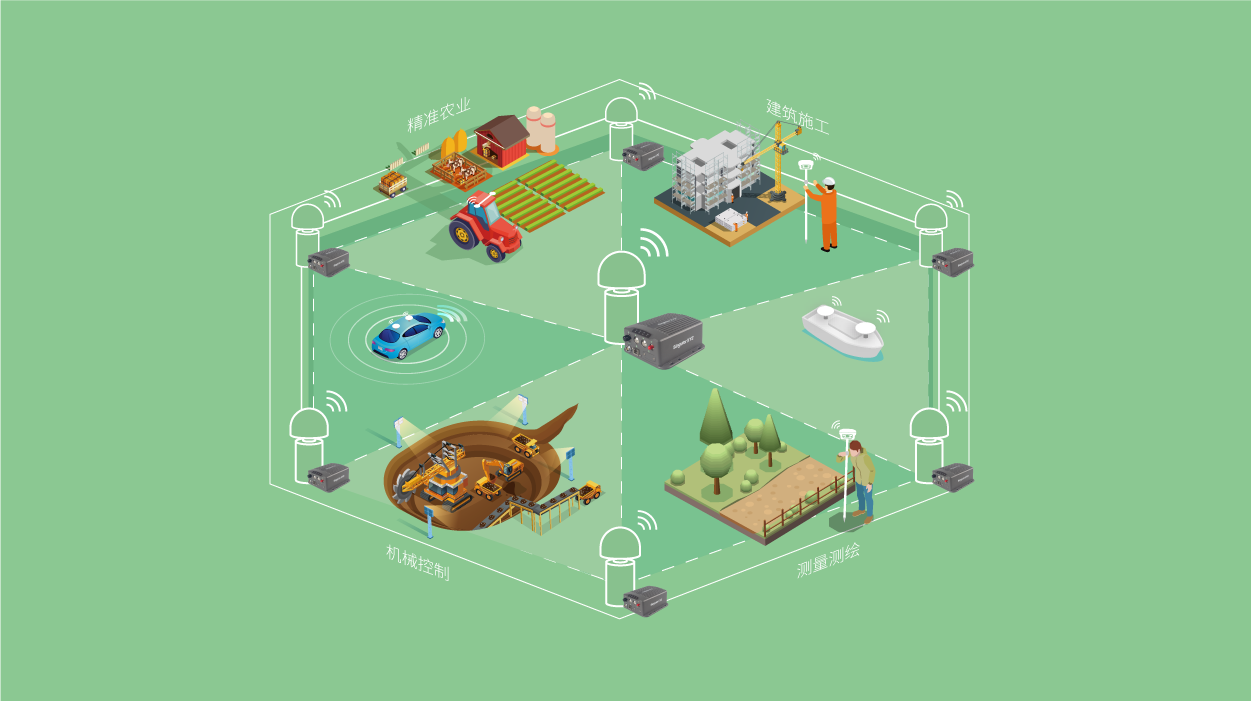
In practical engineering work, RTK is often preferred for its efficiency. Positioning results are available immediately in the field, allowing operators to verify measurements on the spot and significantly reduce rework. RTK also eliminates the need for post-processing, which helps lower labor and time costs. For applications that require real-time positioning—such as machine control, precision agriculture, or UAV operations—RTK is an essential solution.
PPK, on the other hand, prioritizes ultimate accuracy and robustness. In projects where RTK accuracy is insufficient or where communication links are unstable or unavailable, PPK provides a reliable alternative.
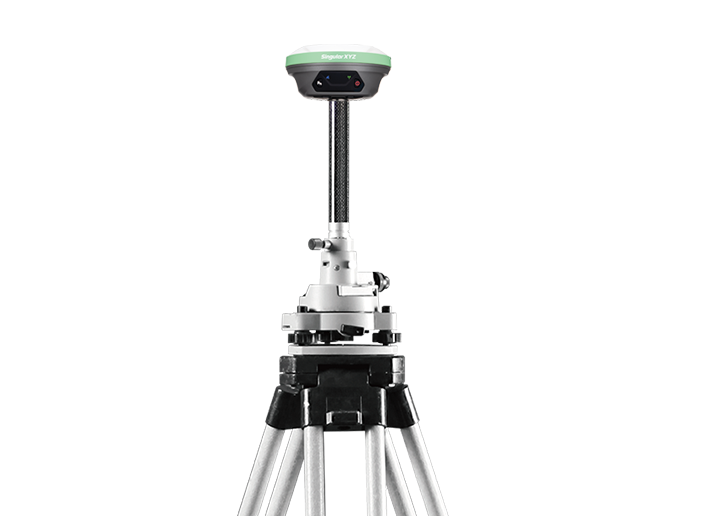
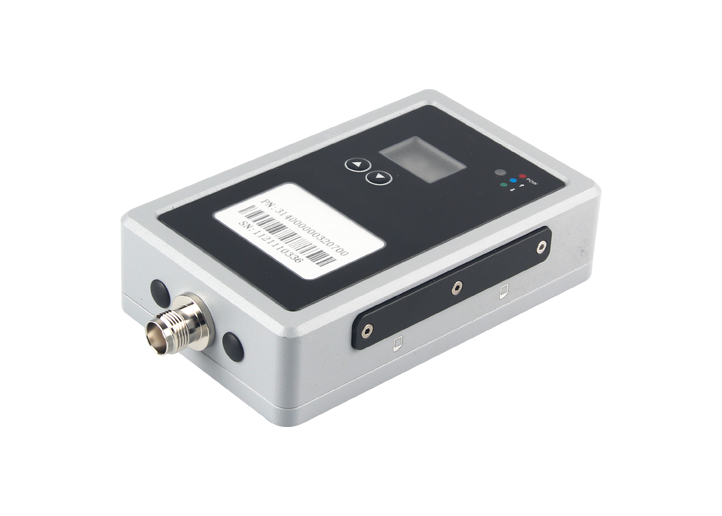
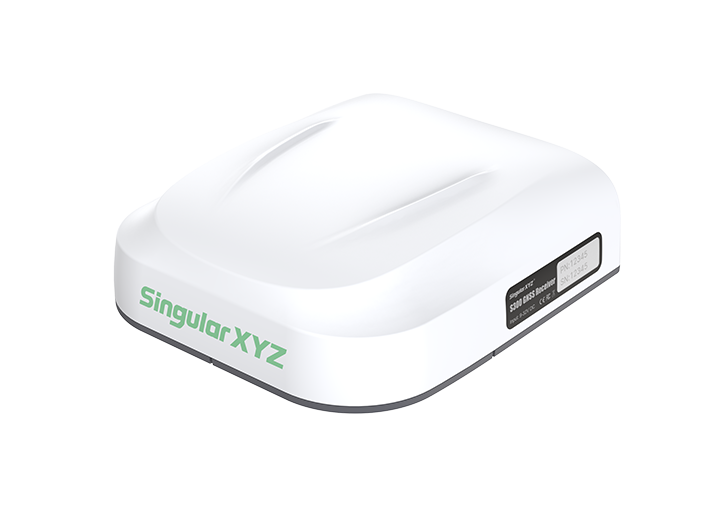
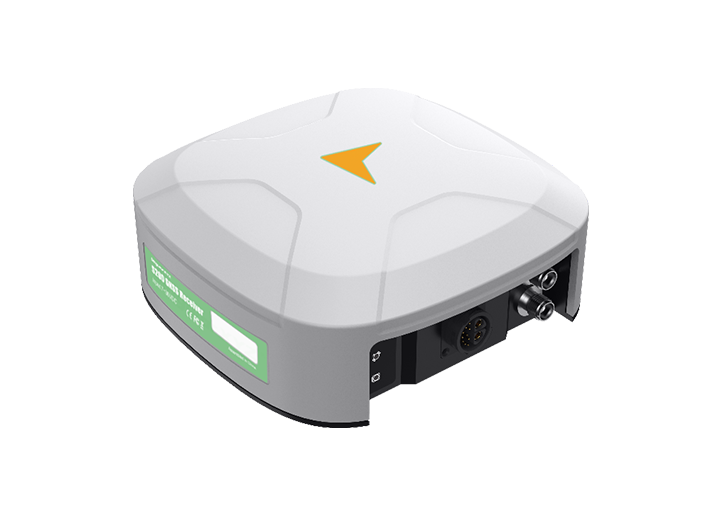
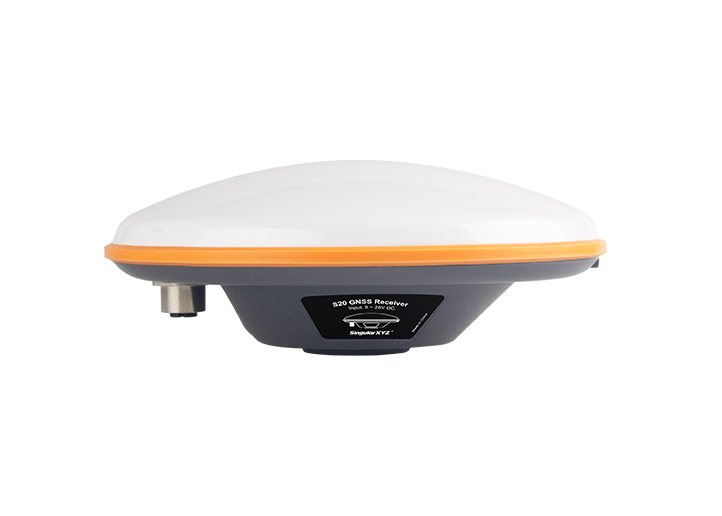
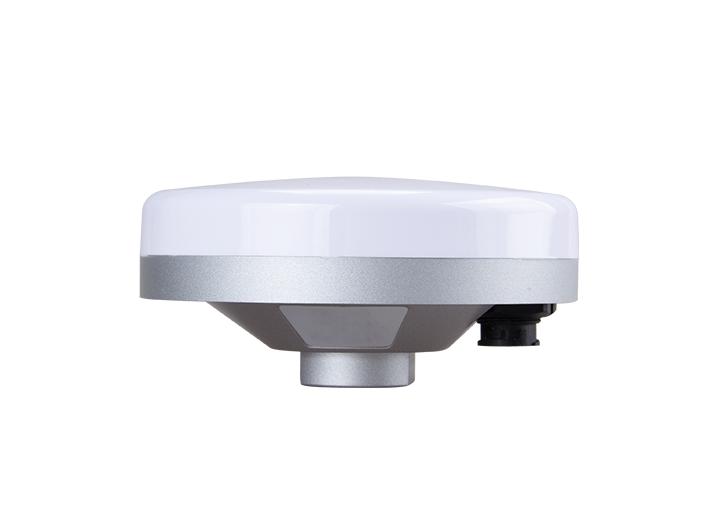
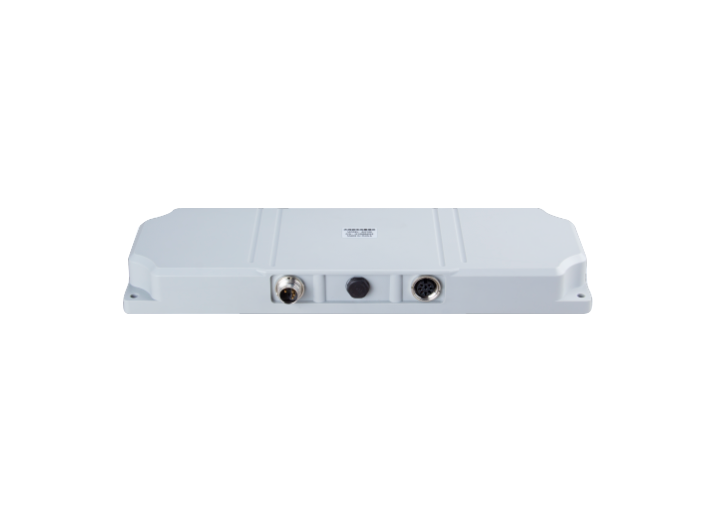
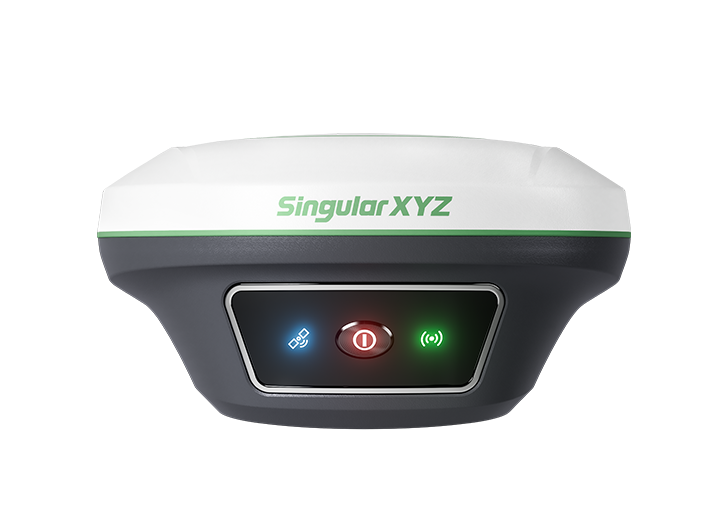
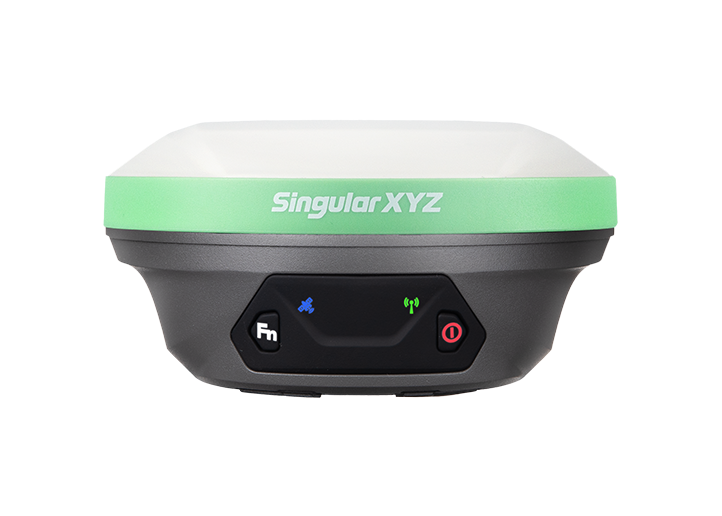
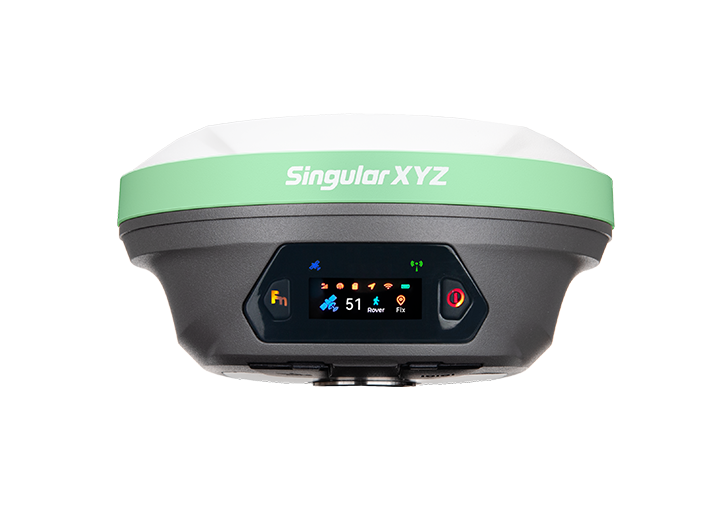
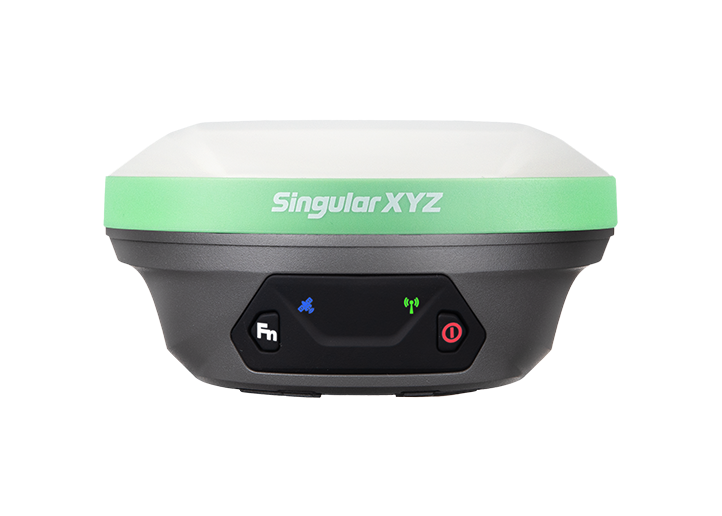
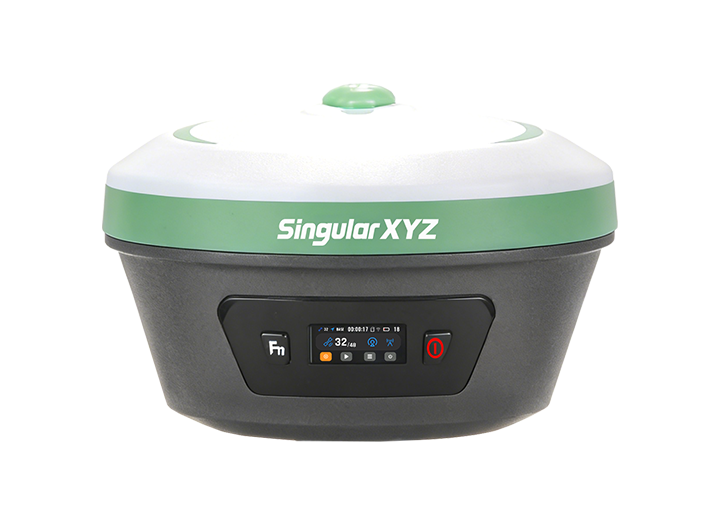
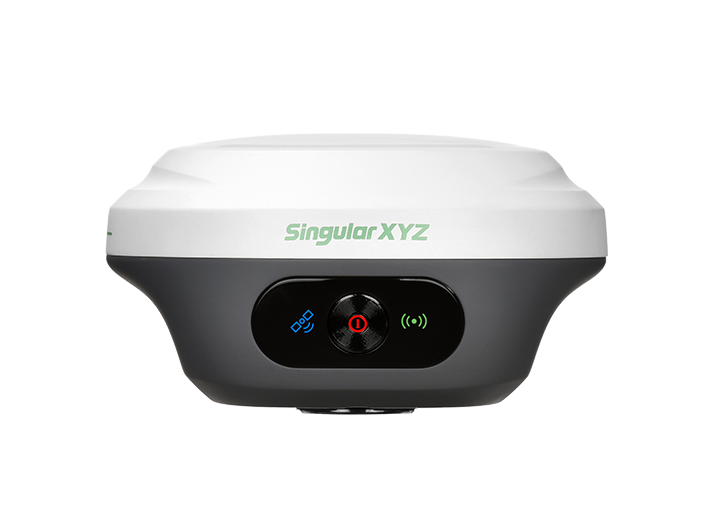
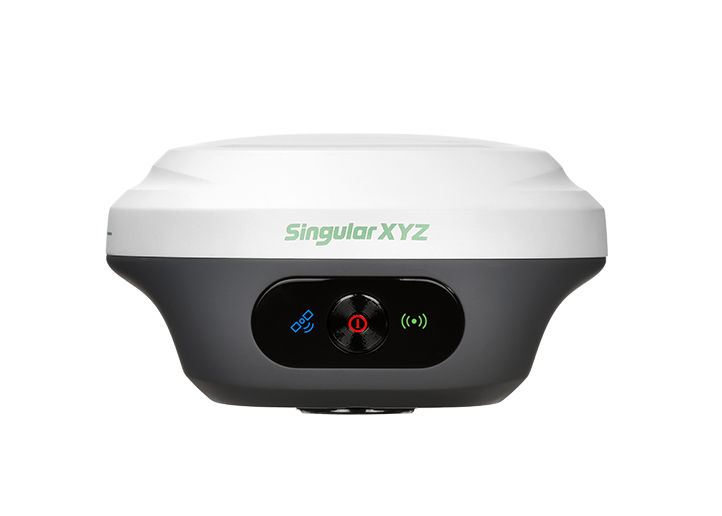
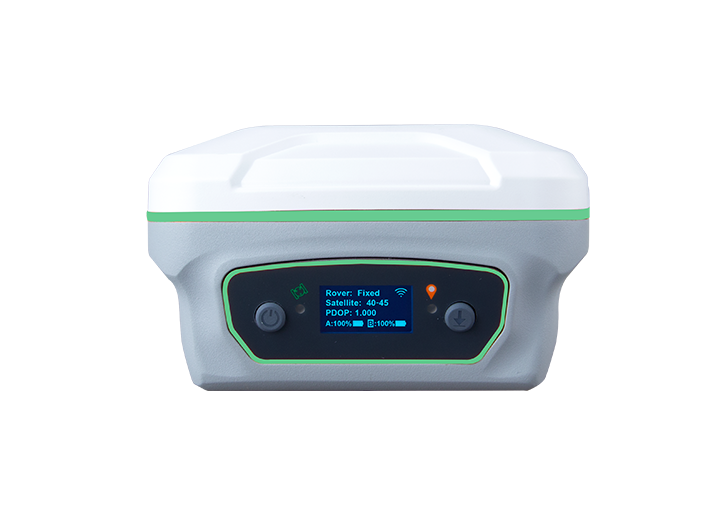
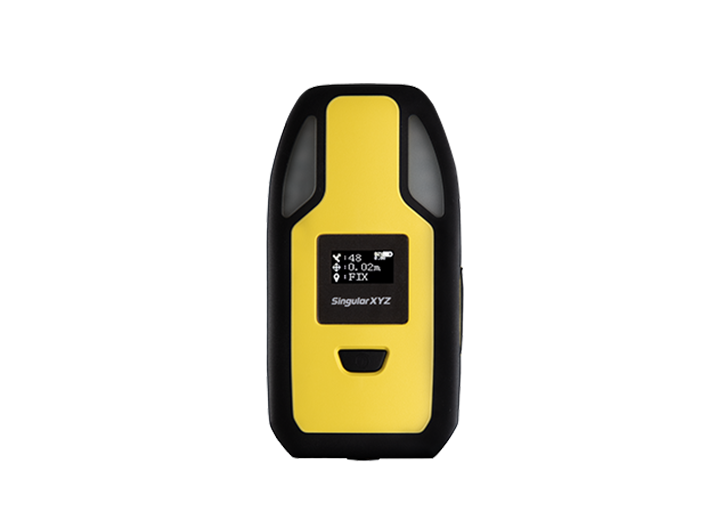
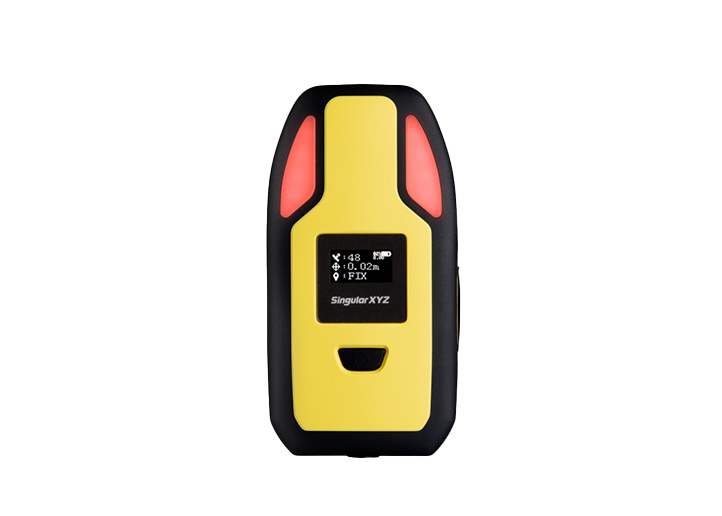
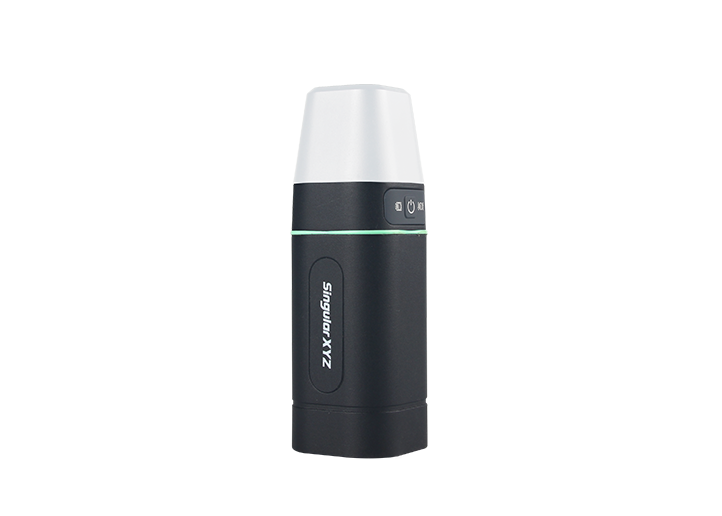
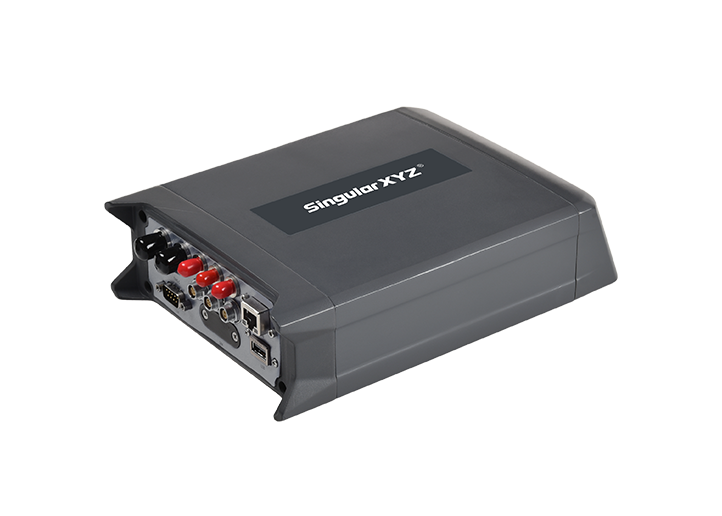
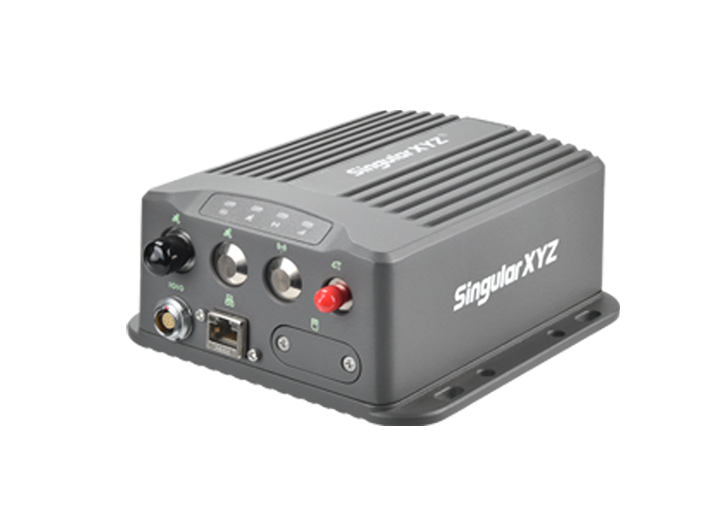
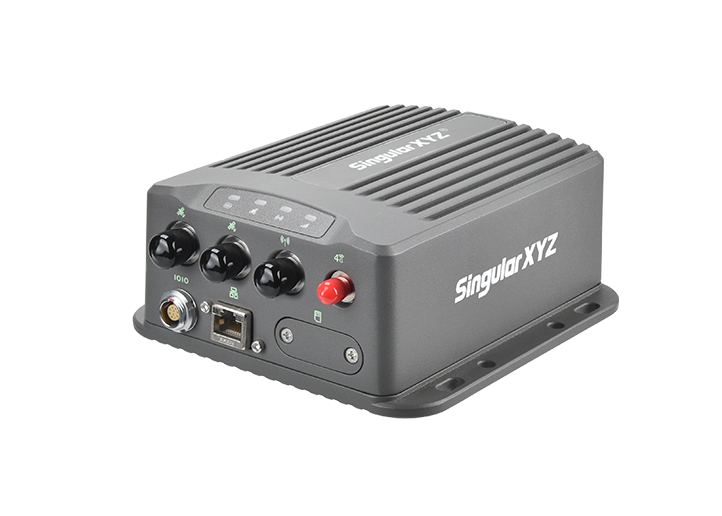
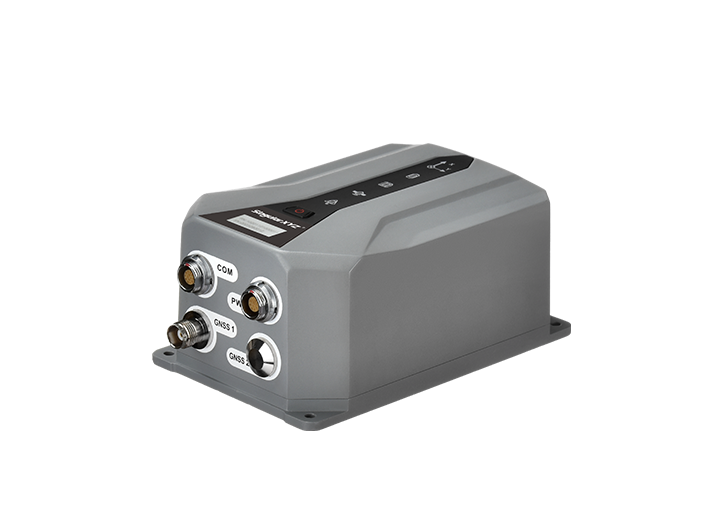
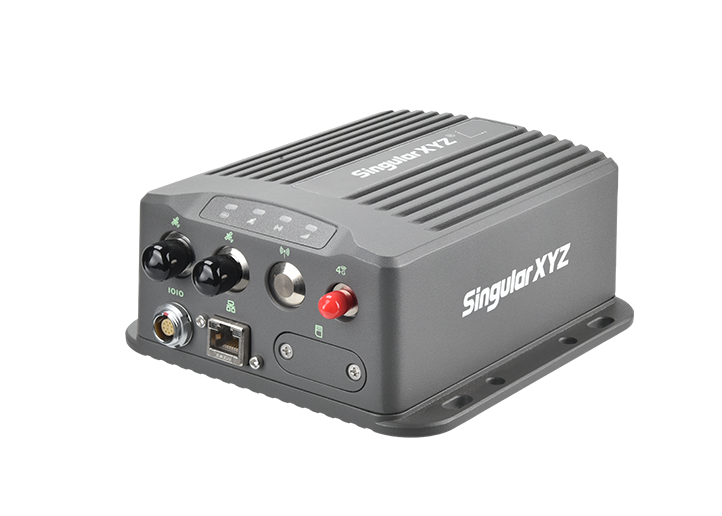
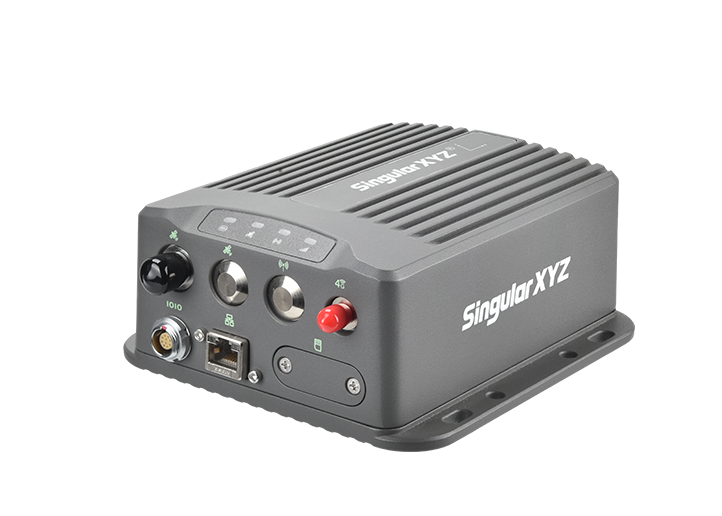
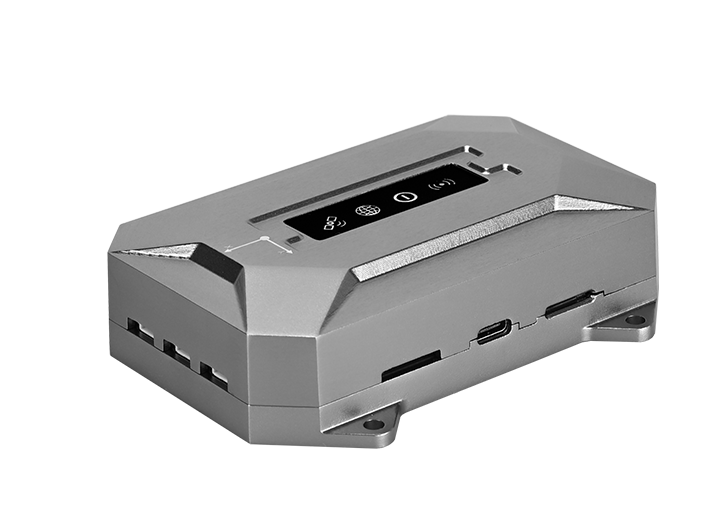
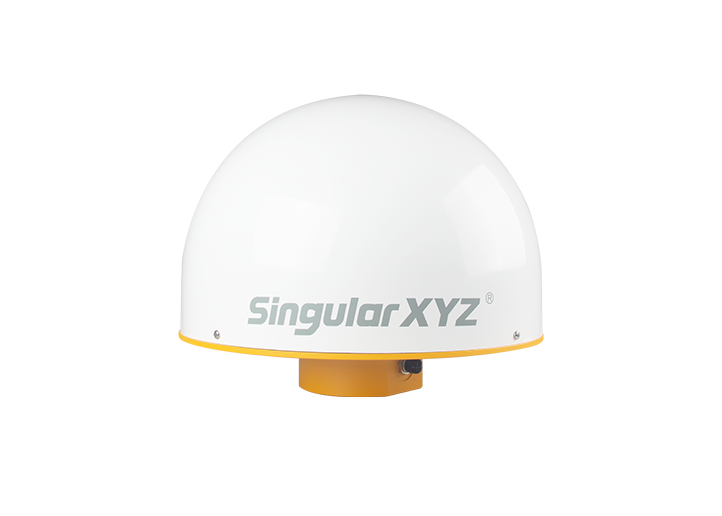
The X1 series and Orion series from SingularXYZ support both RTK and PPK working modes, allowing users to flexibly select the most suitable solution based on project requirements and working conditions.
In an RTK system, a base station and a rover operate simultaneously.
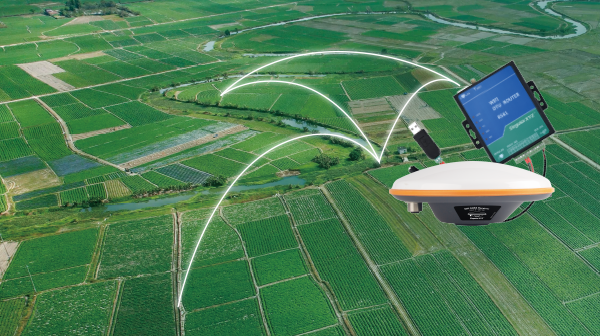
The base station continuously receives GNSS satellite signals and calculates observation data such as pseudorange and carrier phase, or generates differential correction data in real time. This information is transmitted to the rover via a communication link, such as radio, 4G, 5G, or the internet.
The rover applies these real-time corrections to perform differential positioning calculations, achieving centimeter-level accuracy instantly in the field.
Unlike RTK, PPK does not rely on a real-time communication link.
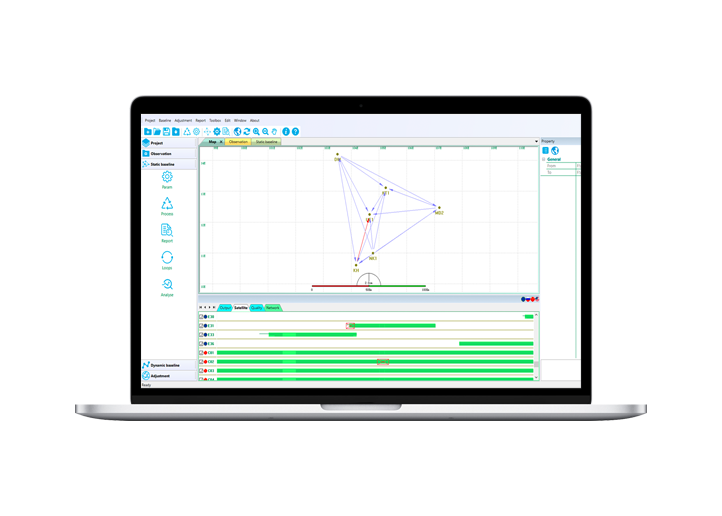
Both the base station and the rover independently record complete GNSS raw observation data, including carrier phase and pseudorange, throughout the entire measurement period. After data collection is completed, the datasets from both stations are imported into dedicated post-processing software. High-precision positioning results are then obtained using advanced post-processing algorithms.
This difference in workflow is the foundation of PPK's technical advantages.
Compared with real-time differential correction, post-processed differential correction offers several important advantages:
In RTK systems, observation data or correction messages are transmitted in real time. Communication interruptions, latency, or packet loss can lead to degraded accuracy or even positioning failure.
In PPK systems, however, all original observation data from both the base station and the rover are fully recorded. This complete and redundant dataset provides a solid basis for high-precision calculations and is something RTK cannot guarantee.
With access to the full dataset, post-processing software can perform comprehensive data quality checks. Data affected by multipath, low signal-to-noise ratio (SNR), or low satellite elevation angles can be identified and excluded or down-weighted during processing.
RTK, by contrast, is constrained by real-time processing and limited data availability.
A key technical advantage of PPK is bidirectional data processing.
RTK relies on unidirectional processing, using only past and current observations to estimate the current position. As a result, it is more sensitive to noise, outliers, and brief signal interruptions.
PPK can process data both forward and backward after data collection is complete. By combining solutions from both directions, the algorithm can use “future” data to correct earlier estimates, producing smoother and more accurate results. Even when GNSS signals are briefly interrupted, PPK can often maintain centimeter-level accuracy in the final solution.
| Item | RTK | PPK |
Communication link | Required | Not required |
Data availability | Current and past data | Entire observation period |
Cycle slip correction | Limited | Strong |
Output efficiency | Real-time | Post-processed |
Accuracy | 8mm+1ppm Horizontally 15mm+1ppm Vertically | 3mm+1ppm Horizontally 5mm+1ppm Vertically |
Typical applications | Time-critical tasks (e.g. UAVs, precision agriculture) | Accuracy-critical tasks (e.g. high-precision surveying) |
RTK and PPK are both powerful GNSS positioning methods, but they serve different priorities. RTK excels in efficiency and real-time operation, while PPK offers superior robustness and accuracy through complete data recording and advanced post-processing algorithms.
By supporting both RTK and PPK modes, SingularXYZ receivers allow users to adapt flexibly to varying project demands—choosing real-time productivity or maximum accuracy as needed.