

















































 Home
Home

Horus Visual & Laser
GNSS Receiver
GNSS Receiver
learn more






 2026-04-14
 Kimberly


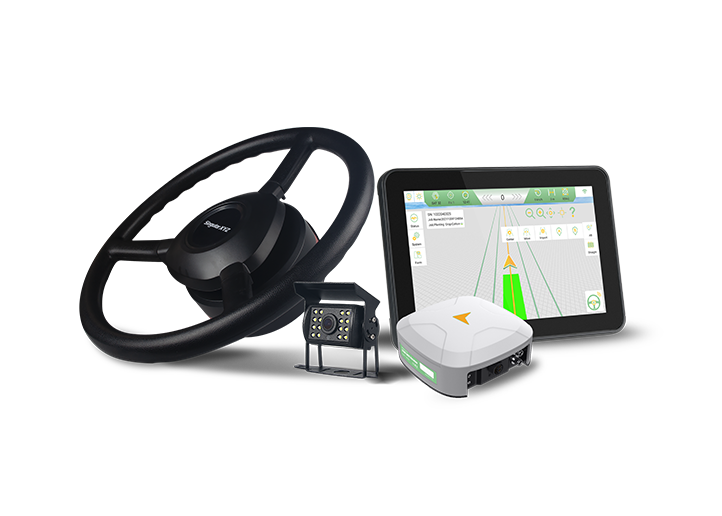
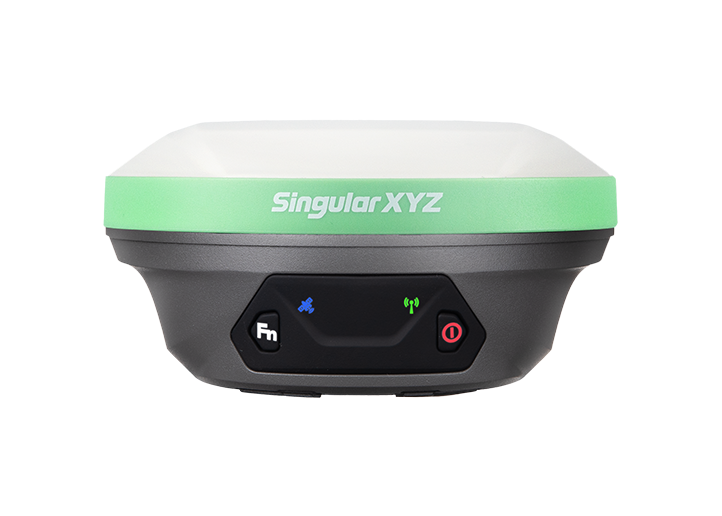
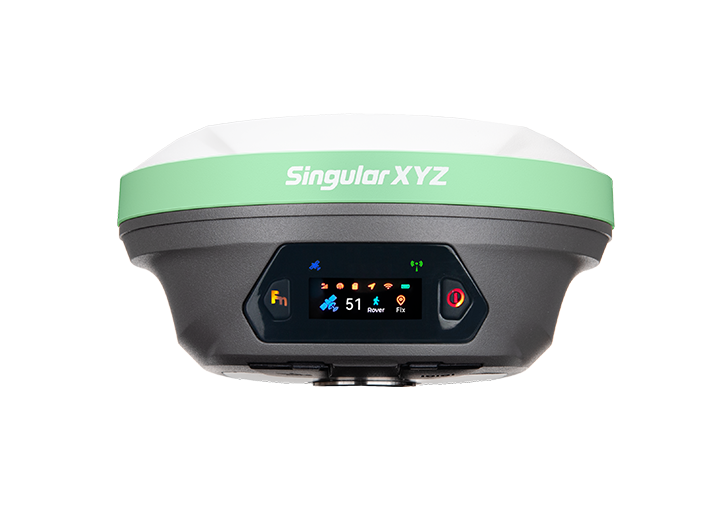
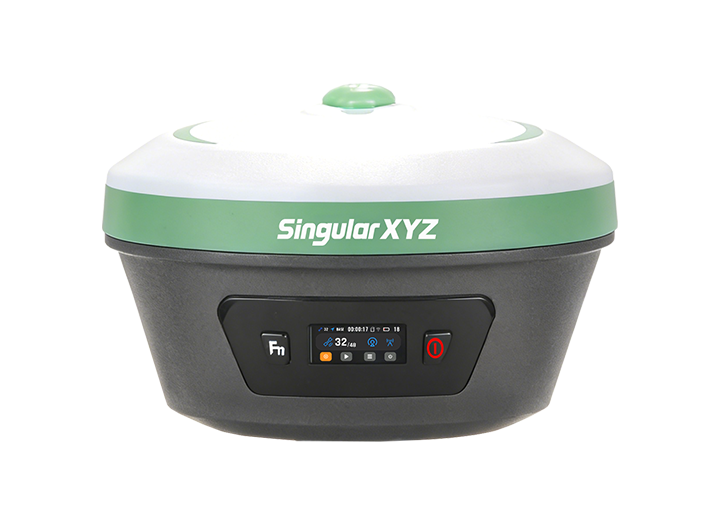
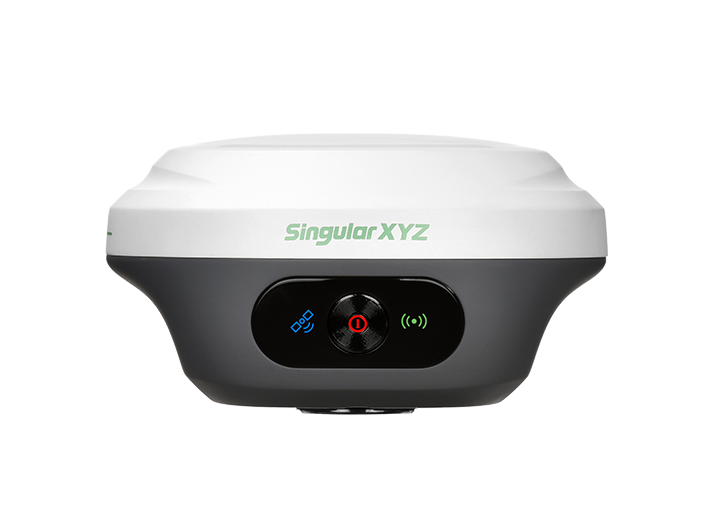
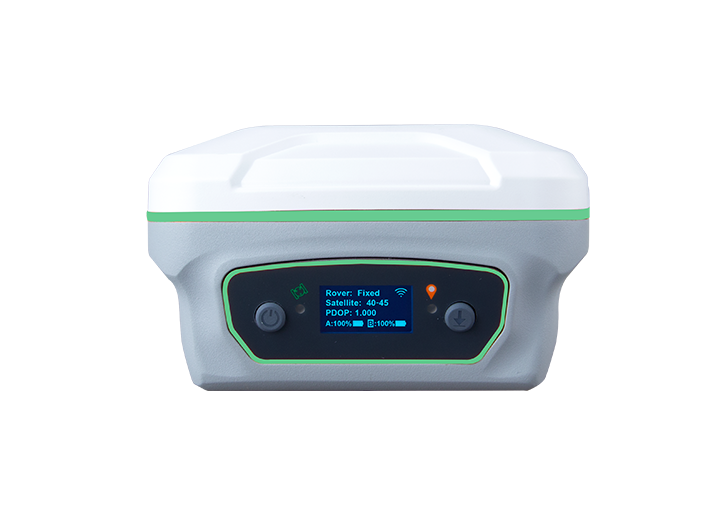
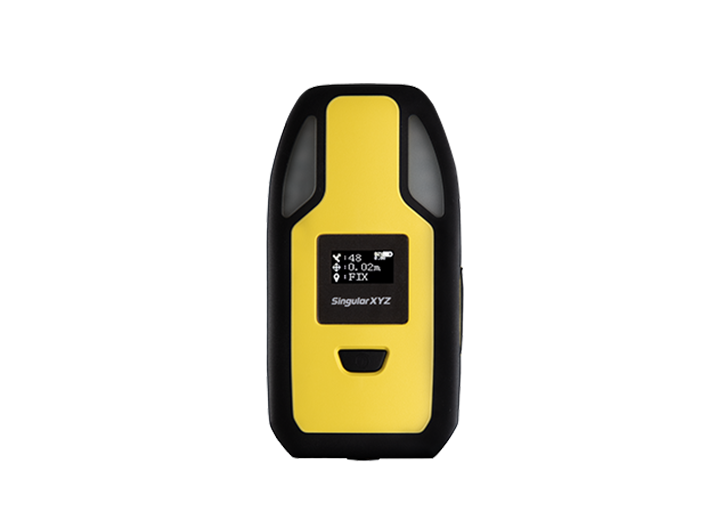
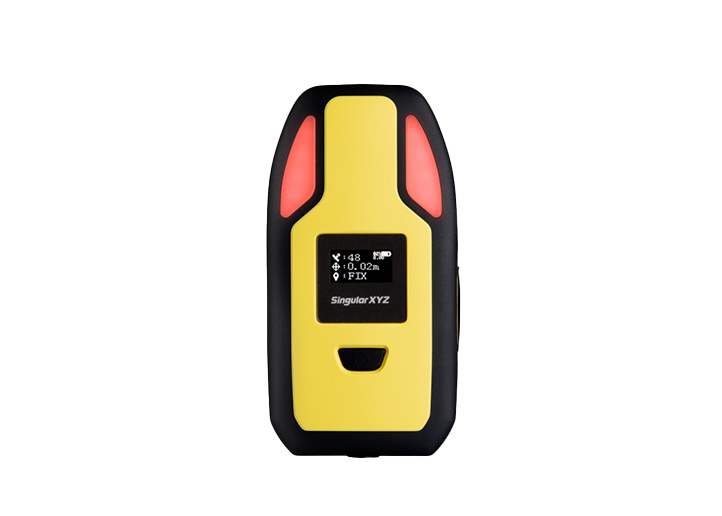
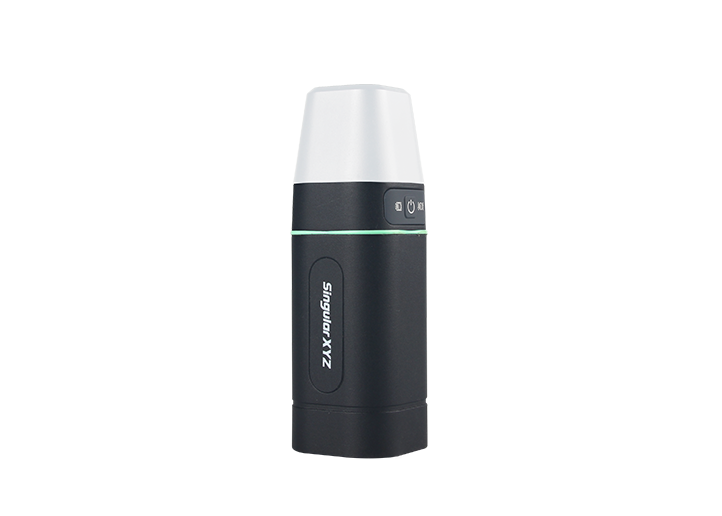
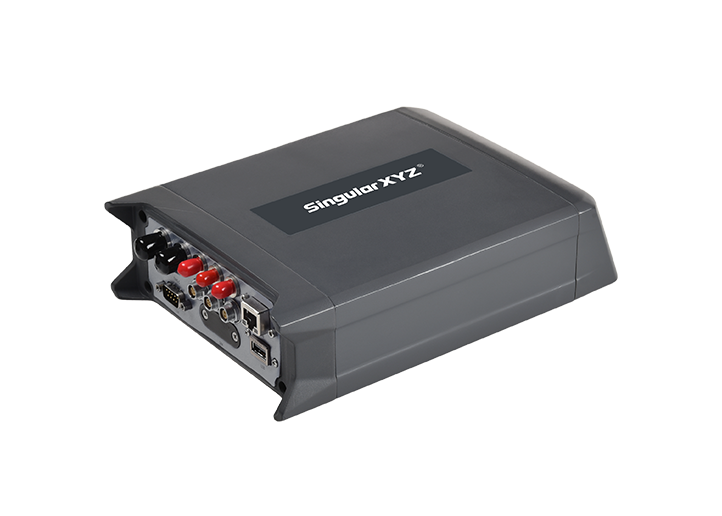
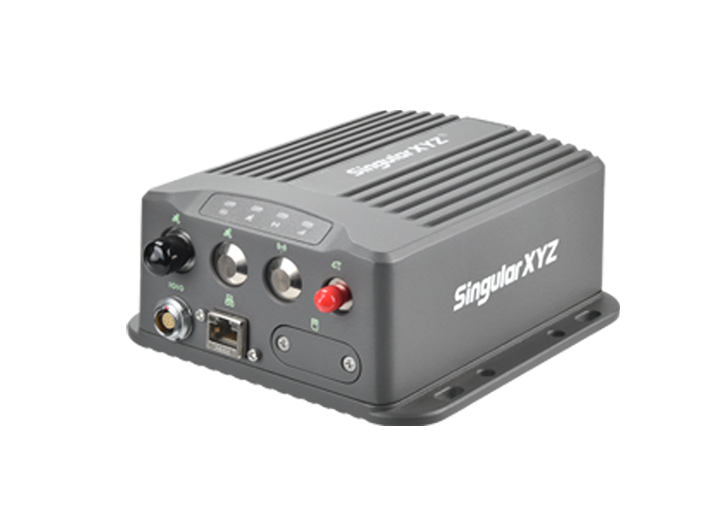
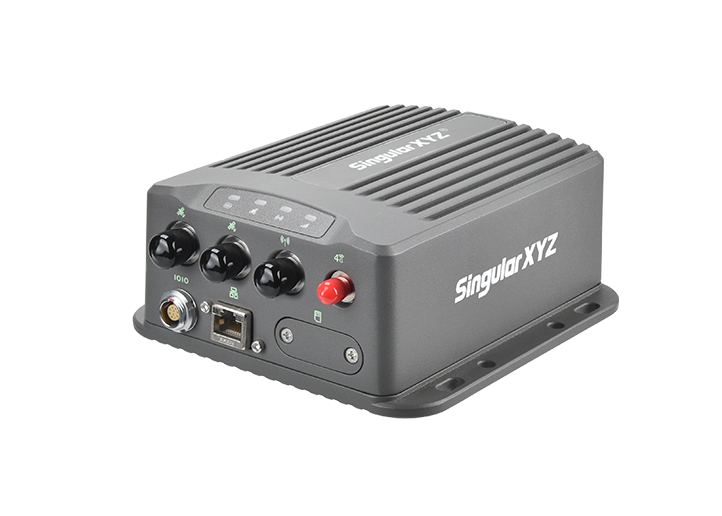
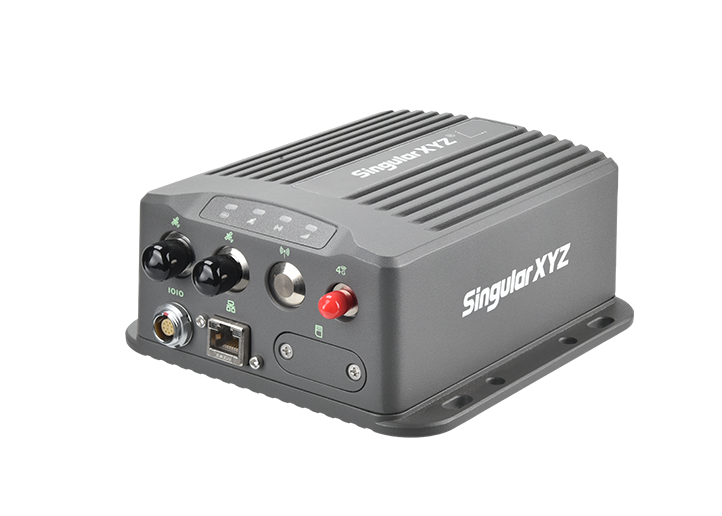
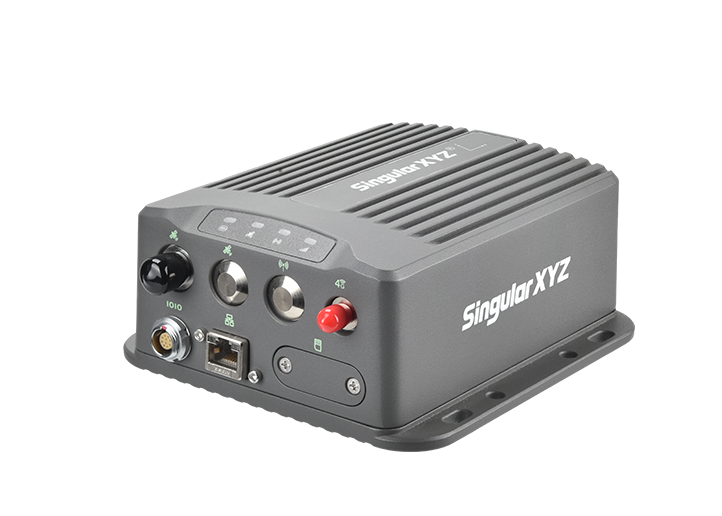
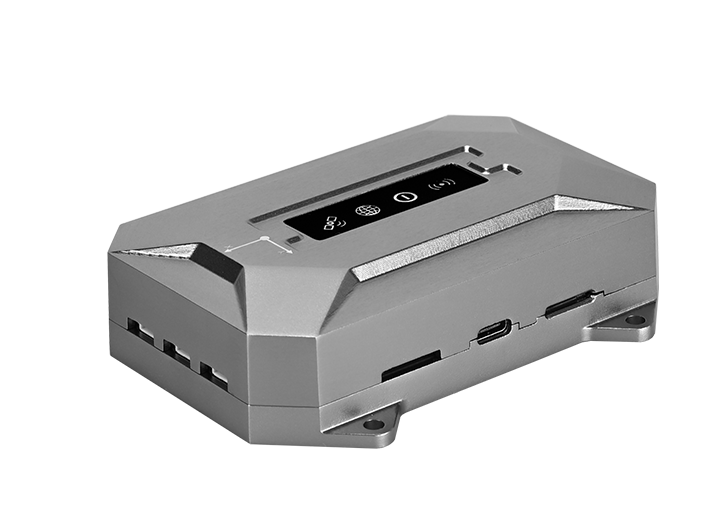
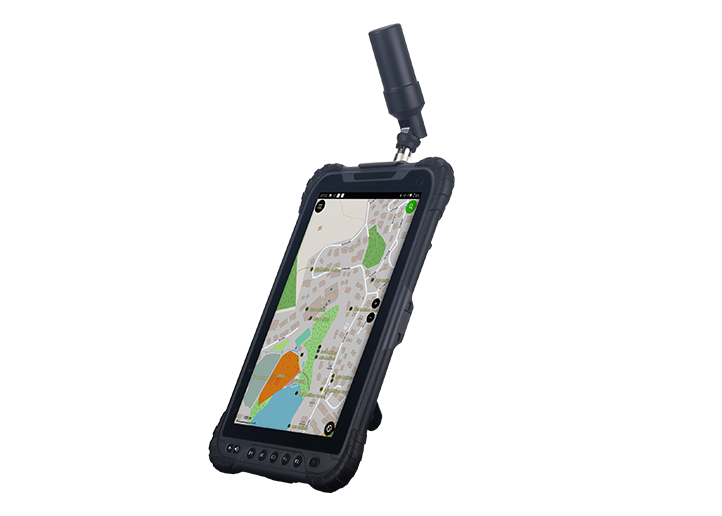
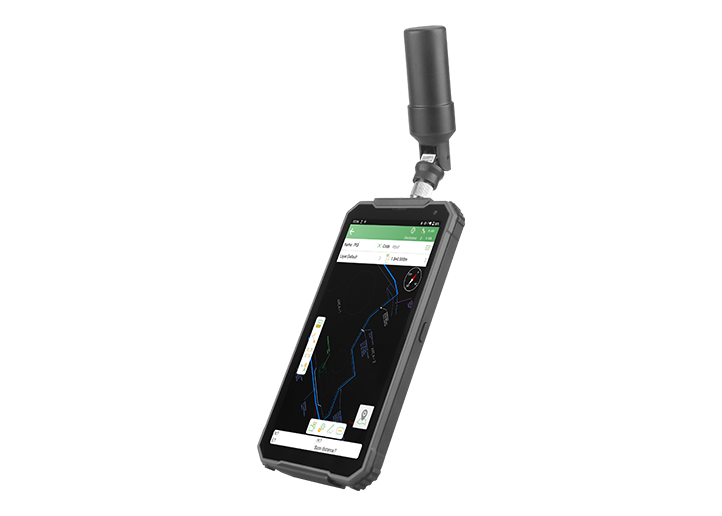
In RTK operations, the performance of the data link directly affects positioning stability and user experience. When using network-based corrections, users may encounter different transmission protocol options such as TCP and UDP. Our products such as Orion One, X1, and SV100 support both protocols.
Understanding the differences between TCP and UDP helps in choosing the appropriate data link for different working environments. This blog explains their key differences and provides practical guidance for RTK applications.
TCP (Transmission Control Protocol)
A connection-oriented and reliable transport protocol that ensures data integrity and correct sequencing through acknowledgment and retransmission mechanisms.
UDP (User Datagram Protocol)
A connectionless protocol that focuses on speed and real-time performance. It sends data without establishing a connection and does not guarantee delivery.
| Feature | TCP | UDP | Impact in RTK |
Connection Method | Requires connection establishment before data transfer | Sends data directly without connection | TCP introduces startup delay; UDP enables immediate transmission |
| Reliability Mechanism | ACK and retransmission ensure data delivery | No acknowledgment or retransmission | TCP improves reliability but increases latency; UDP may lose packets but keeps data flow smooth |
| Data Sequence Control | Ensures ordered delivery | No order guarantee | TCP avoids disorder but may cause delay; UDP processes data continuously |
| Congestion & Flow Control | Dynamically adjusts transmission rate | No control mechanism | TCP adapts to poor networks; UDP maintains speed but may increase packet loss |
| TCP | UDP | |
| Advantages | High data integrity Stable in poor or fluctuating networks | Low latency Smoother and more continuous data flow |
| Limitations | Retransmission may increase latency Possible "stuttering" under unstable networks | Possible packet loss Requires relatively stable network conditions |
In RTK applications, the choice between TCP and UDP depends on the working environment:
Use TCP when:
Network conditions are unstable
Data reliability is critical
Working over public or long-distance internet connections
Use UDP when:
Low latency is required
Network quality is relatively good
Real-time performance is prioritized (e.g., dynamic surveying, machine control)
Both TCP and UDP have their advantages in RTK data transmission. TCP provides higher reliability and stability, while UDP offers better real-time performance with lower latency.
By selecting the appropriate protocol based on actual working conditions, users can achieve a better balance between positioning stability and responsiveness in RTK operations.